


If you are starting to explore loose leaf tea, chances are you have seen the word Gaiwan and wondered what it means. Maybe it looked beautiful but slightly intimidating. Maybe you thought it was only for serious tea drinkers or traditional tea experts. The good news is that a Gaiwan is actually much simpler to use than it seems, and for many people, it becomes one of the most enjoyable ways to brew tea.
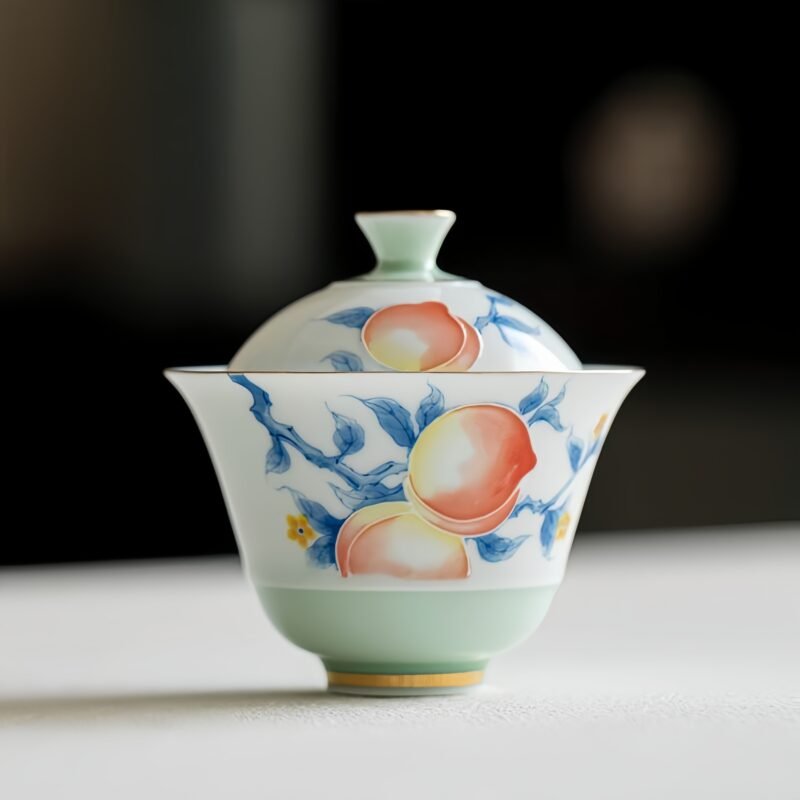
A Gaiwan is a traditional Chinese tea vessel made of three parts: a bowl, a lid, and a saucer. The word itself is often translated as “lidded bowl.” While it has deep roots in Chinese tea culture, it is still widely used today because it offers something many tea drinkers love: control, simplicity, and a more personal connection to the tea.
Unlike a large teapot, a Gaiwan lets you interact more directly with the leaves. You can watch them open, notice how the aroma builds under the lid, and adjust each steep with precision. That hands-on experience is exactly why so many tea lovers prefer brewing with a Gaiwan, especially when enjoying teas that reveal different layers of flavor over multiple infusions.
Why So Many Tea Drinkers Love Using a Gaiwan
One of the biggest reasons people choose a Gaiwan is control. Because it is small and open, you can easily manage the key parts of brewing, including steeping time, water temperature, and the amount of leaf you use. That makes it easier to understand how a tea changes from the first infusion to the last.
A Gaiwan also makes tea feel more intentional. Instead of simply pouring hot water into a pot and waiting, you are more engaged in the process. You can smell the warm lid, observe the liquor color, and enjoy the visual beauty of the leaves as they expand. For many people, this ritual is part of what makes tea drinking feel calming, mindful, and satisfying.
Another reason the Gaiwan is so popular is versatility. It works well with many different types of loose leaf tea, which means you do not need a separate brewing vessel for every category. If you are someone who likes to experiment and compare flavors, a Gaiwan gives you that flexibility.
What Teas Can You Brew in a Gaiwan?

A Gaiwan works beautifully with a wide range of teas, especially whole-leaf styles and teas meant for multiple short infusions.
It is especially popular for:
- Oolong tea, because the leaves gradually open and reveal new flavors with each steep
- Pu-erh tea, which often develops depth and complexity over time
- White tea, where aroma and softness are especially important
- Black tea, particularly whole-leaf varieties
- Green tea, when brewed with a gentler water temperature
Because a Gaiwan gives you more control, it can handle both delicate teas and richer, more full-bodied ones. That is one reason it appeals to both beginners and experienced tea drinkers.
Is a Gaiwan Good for Beginners?
Absolutely. A lot of people assume a Gaiwan is advanced or difficult, but that is not really the case. In fact, a Gaiwan can be one of the best tools for beginners because it helps you learn how tea behaves.
When you brew in a teapot, much of the process stays hidden. With a Gaiwan, you can clearly see how the leaves respond to heat and water, and you can make small adjustments from one infusion to the next. That kind of feedback helps new tea drinkers build confidence quickly.
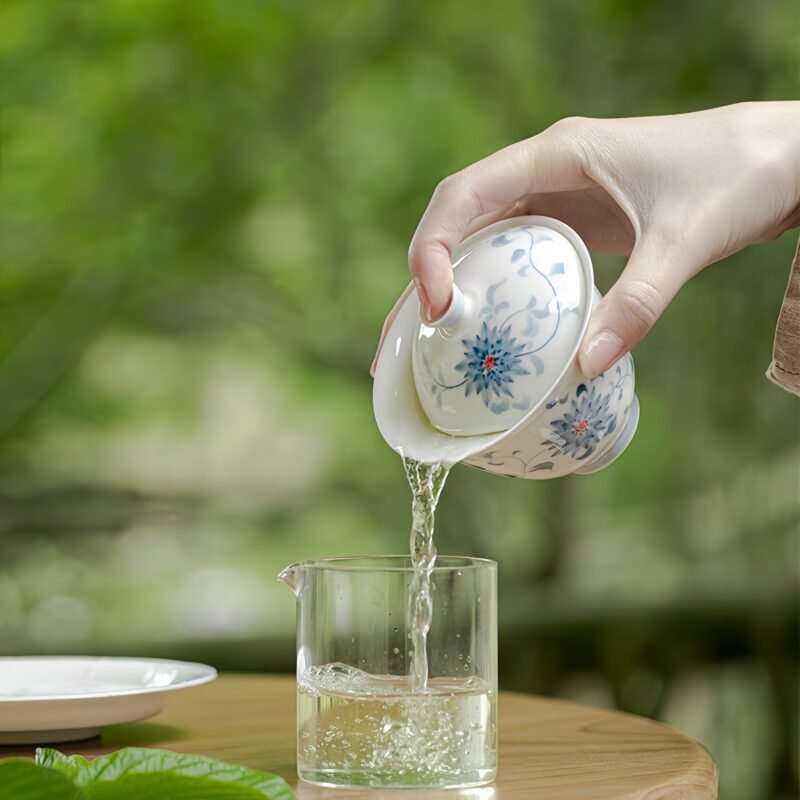
For beginners, a porcelain Gaiwan in the 80 to 130 ml range is usually a great starting point. It feels manageable in the hand, works with many tea types, and is easy to clean. The only thing that may take a little practice is learning how to hold the lid while pouring. But after a few sessions, most people find that it feels much more natural than they expected.
| MODEL | VOLUME/ml | SERVES |
| #1 | 80~130 | 1 |
| #2 | 130~150 | 2~3 |
| #3 | 150~180 | 3~4 |
| #4 | 180⬆ | 4+ |
Why Porcelain Gaiwan Are So Popular
If you are buying your first Gaiwan, porcelain is often the easiest and most practical choice.
A porcelain Gaiwan is popular for a few simple reasons. First, porcelain does not absorb flavors or aromas, so it gives you a neutral brewing experience. That means you can use the same vessel for oolong one day and white tea the next without worrying about leftover taste. Second, porcelain is easy to rinse and maintain, which makes it beginner-friendly. And finally, it has a clean, elegant look that suits both casual tea sessions and more refined tea setups.
For people who want one reliable brewing vessel that can do almost everything well, porcelain is often the best place to begin.
Gaiwan vs. Teapot: What Feels Different?
A teapot is convenient, especially when serving a larger group. But a Gaiwan offers a different kind of experience.
With a teapot, the brewing process stays mostly hidden. With a Gaiwan, the tea is right in front of you. You see the leaves, control the pour, and get a stronger sense of how the tea evolves. That makes the experience feel more direct and more educational. It is not just about drinking tea. It is about understanding it.
There is also a quiet elegance to using a Gaiwan. Even a short tea break can feel more meaningful when the brewing process becomes part of the enjoyment.
How to Start Using a Gaiwan
Getting started does not have to be complicated.
Choose a small or medium-sized porcelain Gaiwan and begin with a forgiving tea like oolong or white tea. Warm the vessel, add your leaves, and pour in hot water at the right temperature for the tea you are using. When pouring, keep the lid slightly tilted so the leaves stay inside while the tea flows out. Start slowly, and do not worry about getting everything perfect on day one.
The beauty of the Gaiwan is that it rewards practice without demanding perfection. The more you use it, the more comfortable it feels, and the more you start noticing the details that make loose leaf tea so enjoyable.
Final Thoughts
So, what is a Gaiwan? It is a traditional Chinese brewing vessel that combines beauty, function, and a more immersive tea experience. It may look delicate at first, but it is one of the most practical and rewarding tools for brewing loose leaf tea.
Whether you are new to tea or simply looking for a better way to enjoy your favorite leaves, a Gaiwan is a wonderful place to start. It gives you more control, helps you learn faster, and turns an everyday cup of tea into a ritual worth slowing down for.
FAQ
1. What is a Gaiwan used for?
A Gaiwan is used to brew loose leaf tea. It is especially useful for teas that benefit from multiple short infusions, such as oolong, pu-erh, white tea, and whole-leaf black tea.
2. Is a Gaiwan good for beginners?
Yes. A Gaiwan is beginner-friendly once you get used to the grip. A small porcelain Gaiwan is especially easy to clean, versatile, and great for learning how different teas respond to water and steeping time.
3. Is a Gaiwan better than a teapot?
It depends on what you want. A teapot may be more convenient for serving a crowd, but a Gaiwan gives you more control and a more hands-on tea experience. Many tea lovers prefer a Gaiwan when they want to focus on flavor, aroma, and multiple infusions.