

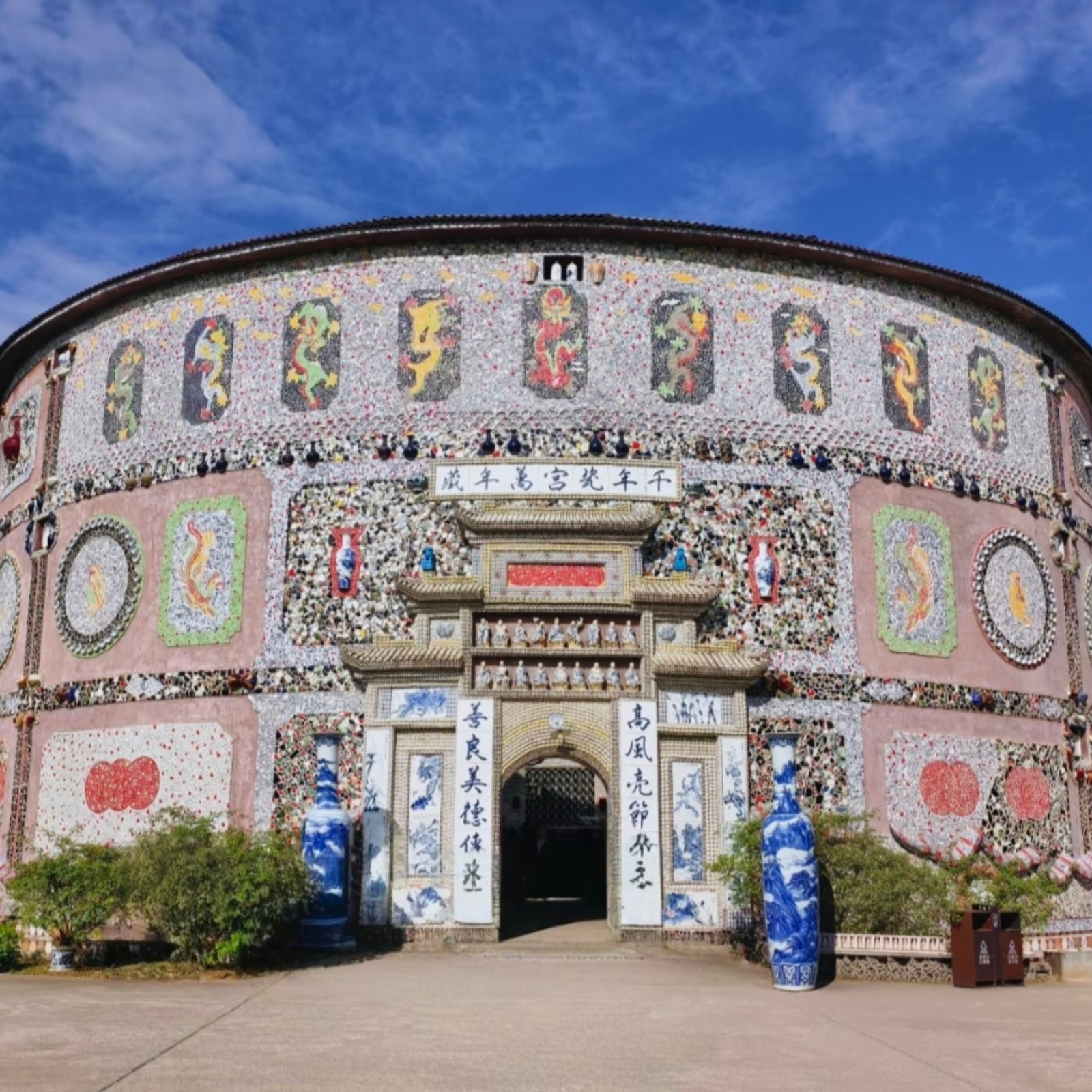
When people think of fine porcelain, they often think of China. But few realize how closely that global image is tied to one city: Jingdezhen. For over a thousand years, Jingdezhen has stood at the heart of Chinese porcelain craftsmanship, shaping how the world understands ceramic art, tea culture, and even the meaning of the word “china” itself.
Today, this long ceramic heritage continues to live on in every beautifully made chinese tea set. From delicate porcelain gaiwans to hand-finished tea cups, the influence of Jingdezhen can still be felt in the modern tea table. A chinese tea set is not only a practical collection of teaware, but also a small reflection of centuries of artistry, innovation, and cultural tradition.
The Origins of Jingdezhen Porcelain
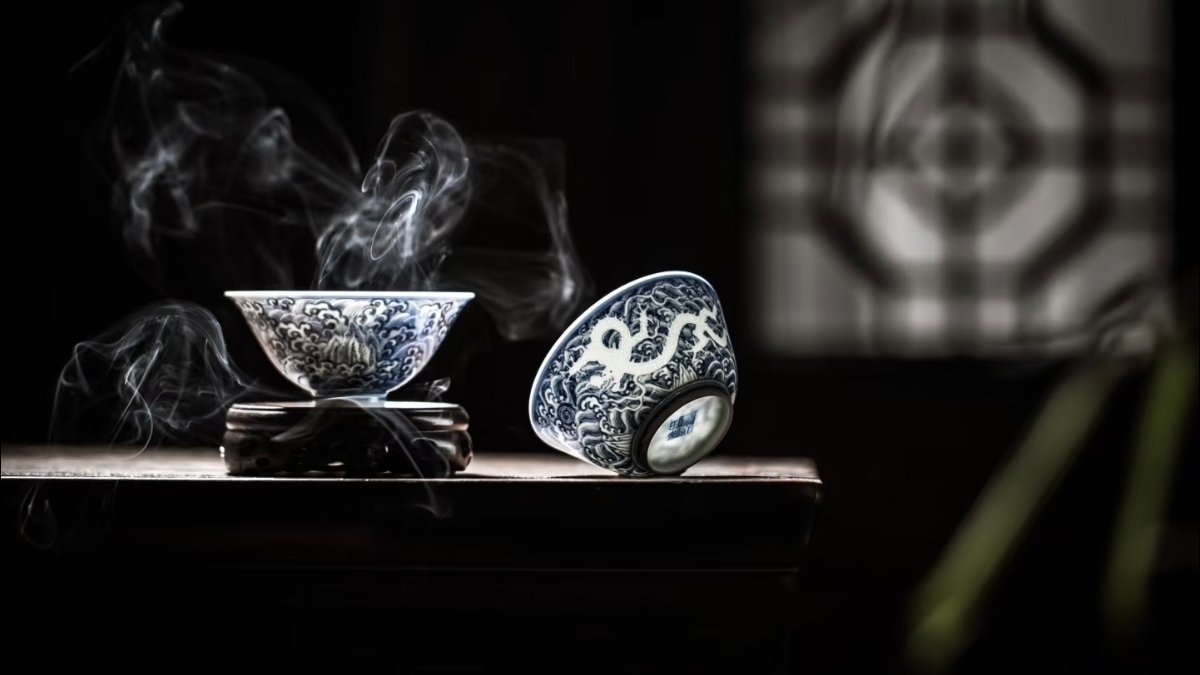
Jingdezhen’s porcelain history stretches back more than 1000 years. The region’s success was closely linked to its natural resources. Clay, stone, fuel, and bamboo were all locally available, which made large-scale ceramic production possible. During the Tang Dynasty, northern white porcelain and southern celadon were both highly valued, and Jingdezhen eventually became a meeting point for these traditions.
As craftsmen from different regions brought their knowledge together, Jingdezhen developed its own distinctive style known as Qingbaici, or bluish-white porcelain. This elegant ceramic tradition laid the foundation for the refined beauty that still inspires porcelain teaware today. In many ways, the modern chinese tea set owes part of its visual language to these early developments in Jingdezhen.
Why Porcelain Became Known as “China”
One of the most fascinating parts of Jingdezhen’s story is its connection to the word “China.” According to the text you provided, before the year 1004, Jingdezhen was known as Changnan, and the word “China” may have developed from the pronunciation of that earlier name. As porcelain production expanded and the town gained greater imperial attention, Jingdezhen became increasingly important in the ceramic world.
This historical connection helps explain why porcelain and national identity became so closely linked. Over time, the beauty and quality of Chinese porcelain made such a strong impression internationally that the material itself came to represent the country. Even today, when someone purchases a handcrafted chinese tea set, they are often seeking not only functionality, but also a connection to this cultural legacy.
Kaolin and the Rise of Fine Porcelain
A major turning point in Jingdezhen’s ceramic history came with the discovery of kaolin clay. As local supplies of earlier china clay became depleted, craftsmen needed a new material to support growing demand. Kaolin proved ideal. It could withstand much higher firing temperatures, produced a purer white body, and helped transform porcelain from softer forms into the stronger hard porcelain that later became famous worldwide.
This was a decisive development for porcelain teaware. The smooth surface, bright whiteness, and durability made kaolin-based porcelain ideal for elegant cups, gaiwans, teapots, and pitchers. These qualities remain essential in a high-quality chinese tea set today. When tea lovers choose porcelain teaware, they are still benefiting from the same material breakthrough that elevated Jingdezhen centuries ago.
Blue-and-White Porcelain and Global Influence
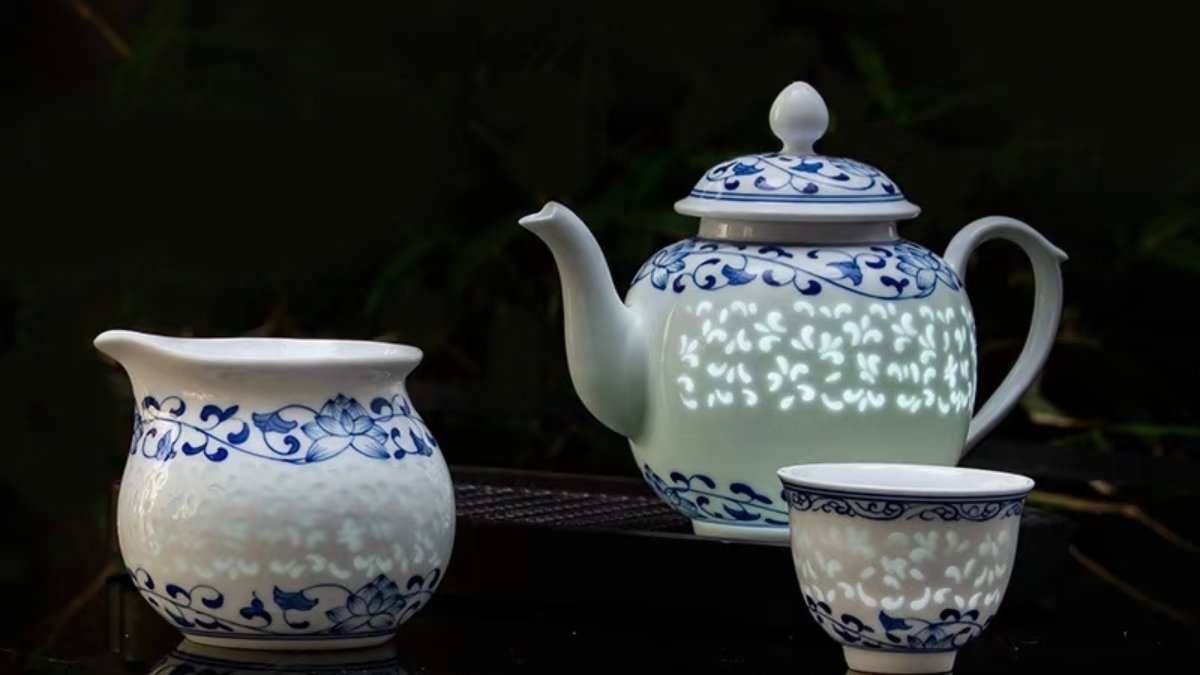
Jingdezhen’s reputation grew even further with the rise of blue-and-white porcelain. Arab merchants introduced cobalt blue pigment, and local potters adapted it into a style that would become one of China’s most iconic ceramic exports. Painted onto the kaolin body and sealed beneath transparent glaze, the designs were vivid, durable, and visually striking.
Blue-and-white porcelain quickly became popular far beyond China. It spread across Asia and Europe and eventually came to symbolize Chinese artistry for much of the world. This influence still shapes the appearance of many modern teaware collections. A blue-and-white chinese tea set remains one of the most recognizable and beloved expressions of traditional Chinese design, combining decorative beauty with practical daily use.
The Connection Between Jingdezhen and the Chinese Tea Set
Tea and porcelain have long been closely connected. A finely made chinese tea set is designed to elevate both the flavor of tea and the feeling of the tea session itself. Porcelain is especially prized because it is smooth, easy to clean, and generally does not absorb the flavor of previous brews. That makes it ideal for a wide range of teas, from green tea and white tea to oolong and black tea.
The influence of Jingdezhen is especially important here. Because the city became known for refined porcelain craftsmanship, it naturally shaped the design standards of premium teaware. Many tea lovers choose a porcelain chinese tea set not just because it looks elegant, but because it reflects a longer history of material excellence and artistic discipline.
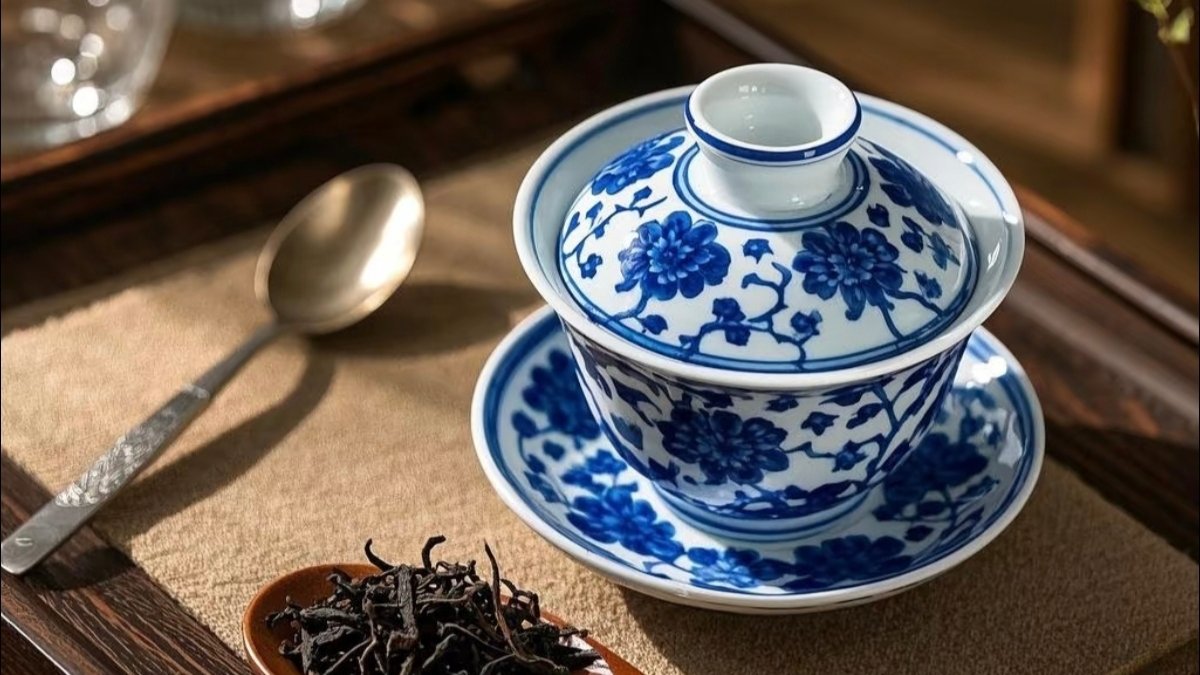
A traditional chinese tea set often includes a gaiwan or teapot, a fairness pitcher, tea cups, and a tea tray.These pieces work together to support a more mindful brewing process. Smaller vessels allow multiple short infusions, helping tea leaves reveal different layers of aroma and flavor. In this way, a chinese tea set is not only an object of beauty, but also a tool for experiencing tea in a more authentic way.
Craftsmanship That Endures
The long life of Jingdezhen’s ceramic tradition did not happen by chance. According to your source text, its endurance was supported by abundant natural materials, imperial patronage, division of labor, and the ability to respond to market demand. By the Ming Dynasty, even producing a single cup could involve dozens of workers and many specialized steps.
This attention to craftsmanship is one reason Jingdezhen porcelain continues to inspire admiration today. A beautifully made chinese tea set reflects that same spirit. Behind every finished cup or gaiwan is a long chain of skill, patience, and respect for process. This is part of what makes handmade porcelain feel different from factory-made wares. It carries not just form, but also intention.
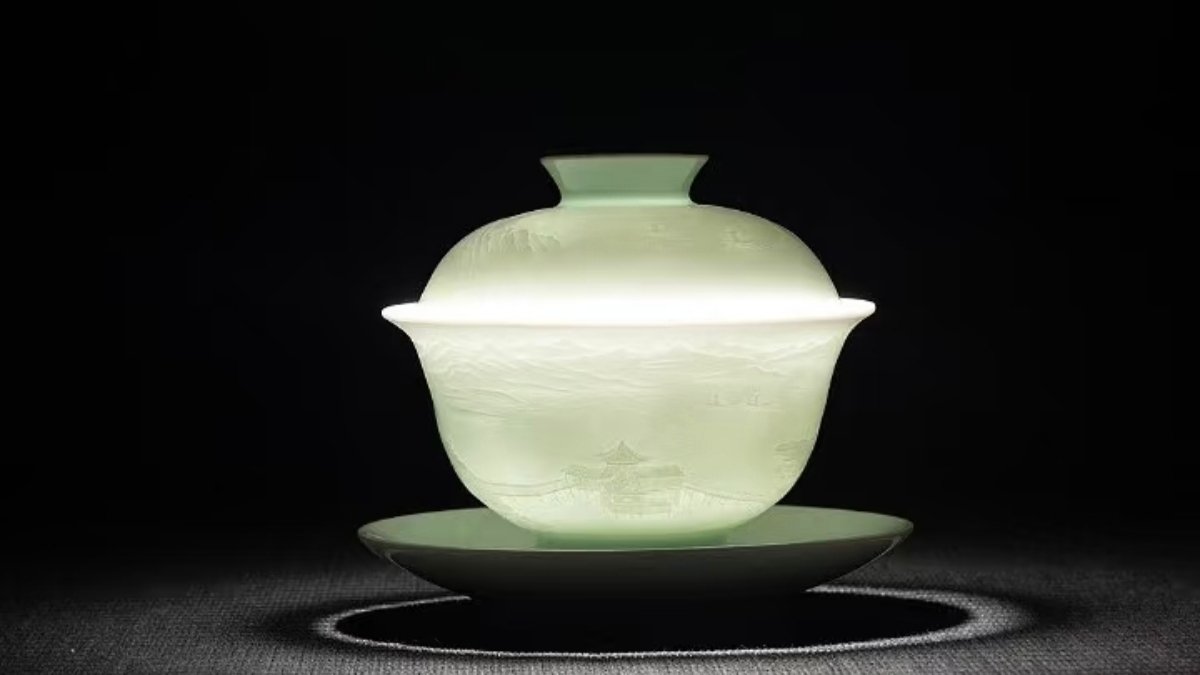
A Chinese Tea Set for Modern Living
In modern life, a chinese tea set offers something many people are looking for: a slower, more thoughtful daily ritual. Tea brewed in a porcelain gaiwan or shared in small cups creates a different rhythm. It encourages attention, conversation, and appreciation of detail.
This is one reason a chinese tea set remains relevant today. It bridges the past and present. It connects tea drinkers not only to flavor, but also to craftsmanship, heritage, and a calmer way of living. Whether displayed on a tea table or used every morning, a porcelain chinese tea set brings both cultural depth and everyday beauty into the home.
FAQ
1. Why is a Chinese tea set often made of porcelain?
A Chinese tea set is often made of porcelain because porcelain is elegant, durable, easy to clean, and well suited to many different types of tea. It also reflects the long ceramic tradition of places like Jingdezhen, where fine porcelain craftsmanship has developed over more than a thousand years.
2. What makes a Chinese tea set different from other tea sets?
A Chinese tea set is designed for a more refined tea experience, usually with smaller vessels such as a gaiwan, teapot, fairness pitcher, and tasting cups. This design supports multiple short infusions, allowing tea drinkers to enjoy the changing aroma and flavor of the tea more fully.
3. Is a Chinese tea set suitable for everyday use?
Yes, a Chinese tea set is suitable for everyday use. In addition to its cultural and artistic value, it is highly practical for daily tea drinking. A well-made porcelain Chinese tea set can make ordinary tea moments feel more intentional, elegant, and enjoyable.
Final Thoughts
The story of Jingdezhen helps explain why porcelain became so deeply identified with China. Its thousand-year history, mastery of materials, and world-famous blue-and-white ceramics gave it a lasting place in global cultural memory.
That legacy continues in the modern chinese tea set. More than a brewing tool, it is a small piece of living history. It carries the elegance of porcelain, the wisdom of tea culture, and the enduring artistry of Jingdezhen into daily life. For anyone who values beauty, ritual, and craftsmanship, a well-made chinese tea set is one of the most meaningful ways to experience that tradition.