

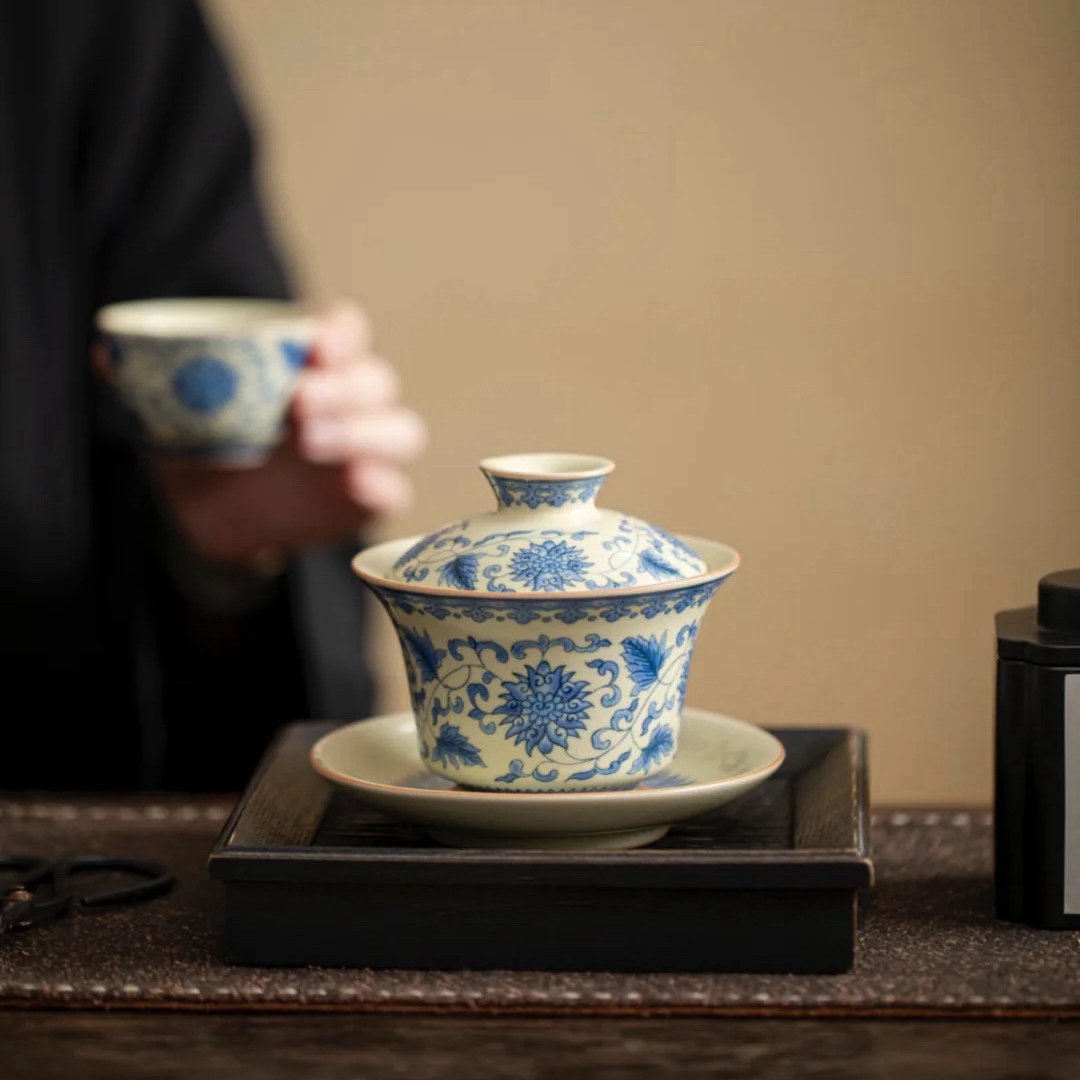
If you are new to loose leaf tea, a Gaiwan can look elegant, beautiful, and a little intimidating at first. For many beginners, the biggest concern is not the tea itself. It is much more practical: how do you use a Gaiwan without burning your fingers?
The good news is that it is much easier than it looks. Once you understand a few basic techniques, a Gaiwan can feel surprisingly natural in your hand. With the right grip, the right water level, and a smooth pouring motion, you can brew tea comfortably and confidently.
What Is a Gaiwan?
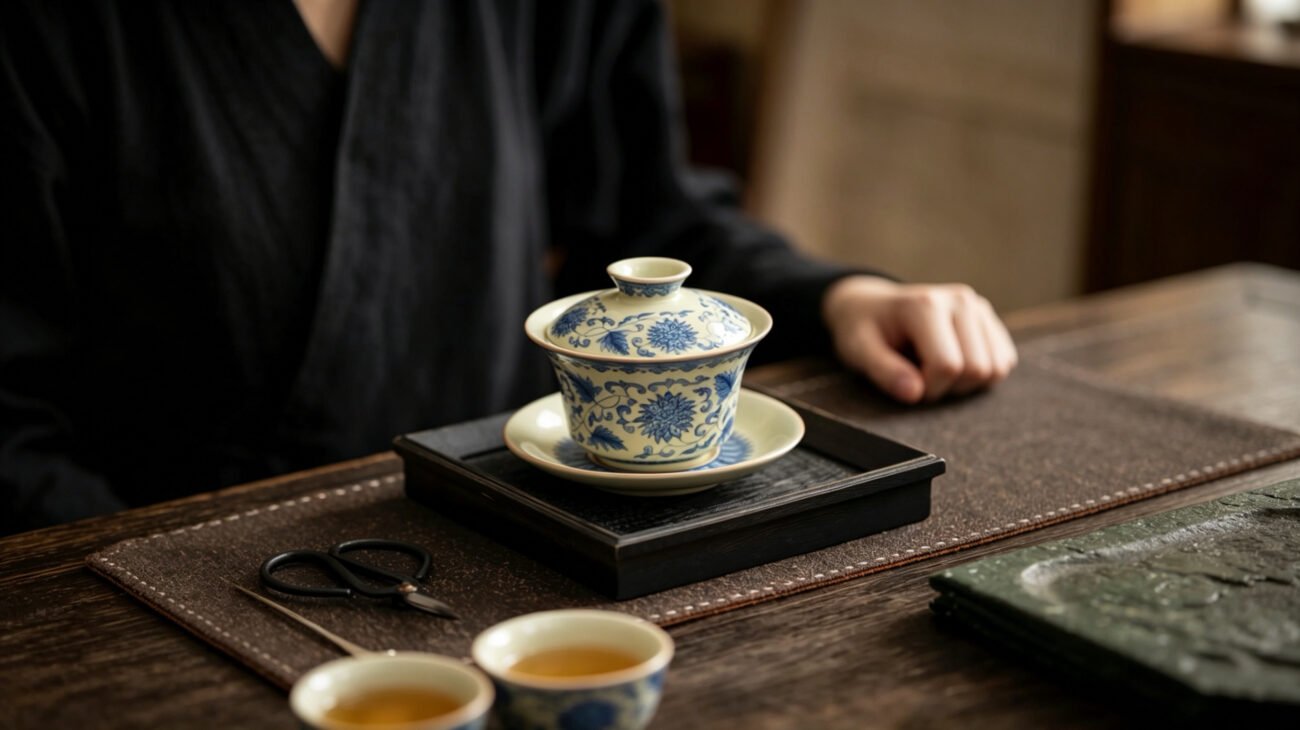
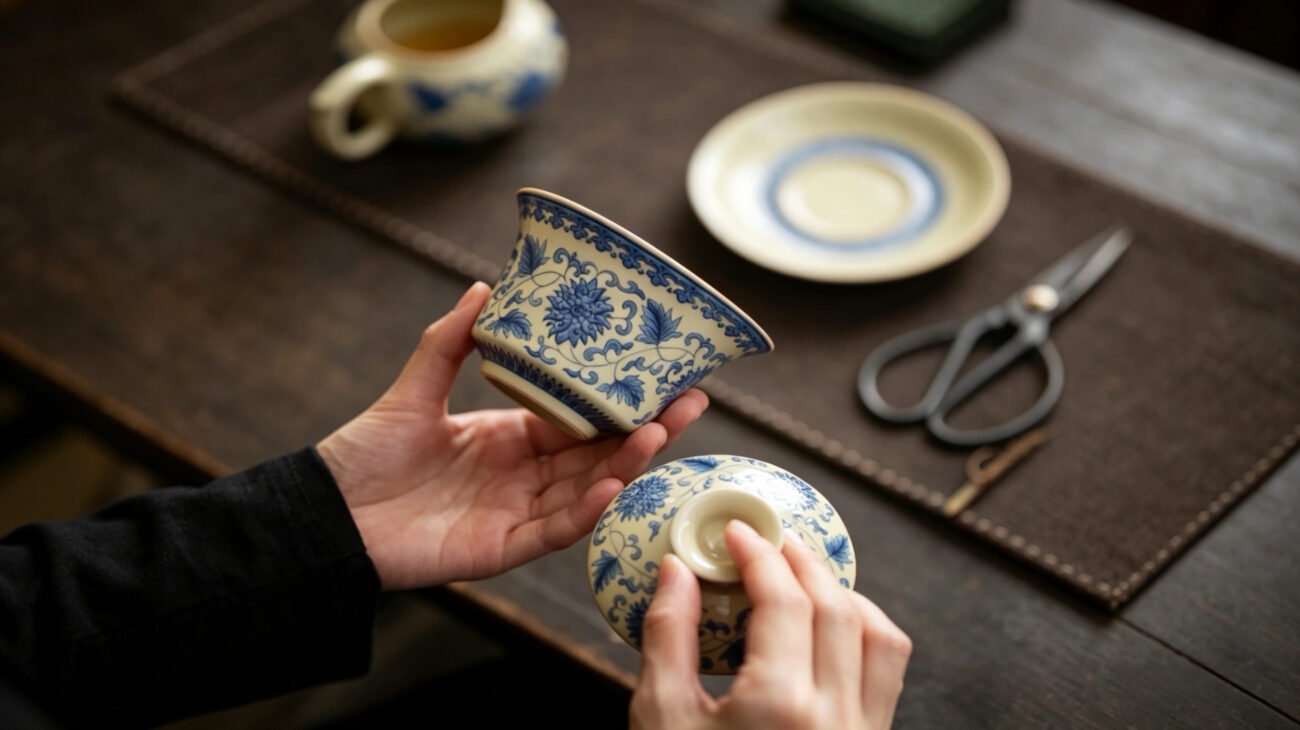
A Gaiwan is a traditional Chinese tea vessel made up of three parts: a bowl, a lid, and a saucer. The bowl holds the tea leaves and water, the lid helps guide the pour and keep the leaves inside, and the saucer supports the bowl while handling.
Even though it looks delicate, a Gaiwan is a very practical brewing tool. It is widely used in Chinese tea brewing because it gives you control over the steeping process while also making the experience feel more hands-on and enjoyable.
Do Not Overfill Your Gaiwan
One of the easiest ways to avoid burning your fingers is to avoid filling the Gaiwan too close to the rim.
This is one of the most common beginner mistakes. When the water level is too high, the upper edge becomes hotter and harder to hold. It also leaves less room for your fingers, which makes the Gaiwan feel more difficult to control.
Instead, leave a small gap at the top. That extra space helps keep the rim cooler and gives you a more secure grip while pouring. It may seem like a small detail, but it makes a big difference.
How to Hold a Gaiwan Correctly
Learning how to hold a Gaiwan is often the part that feels most unfamiliar in the beginning, but it gets easier very quickly with practice.
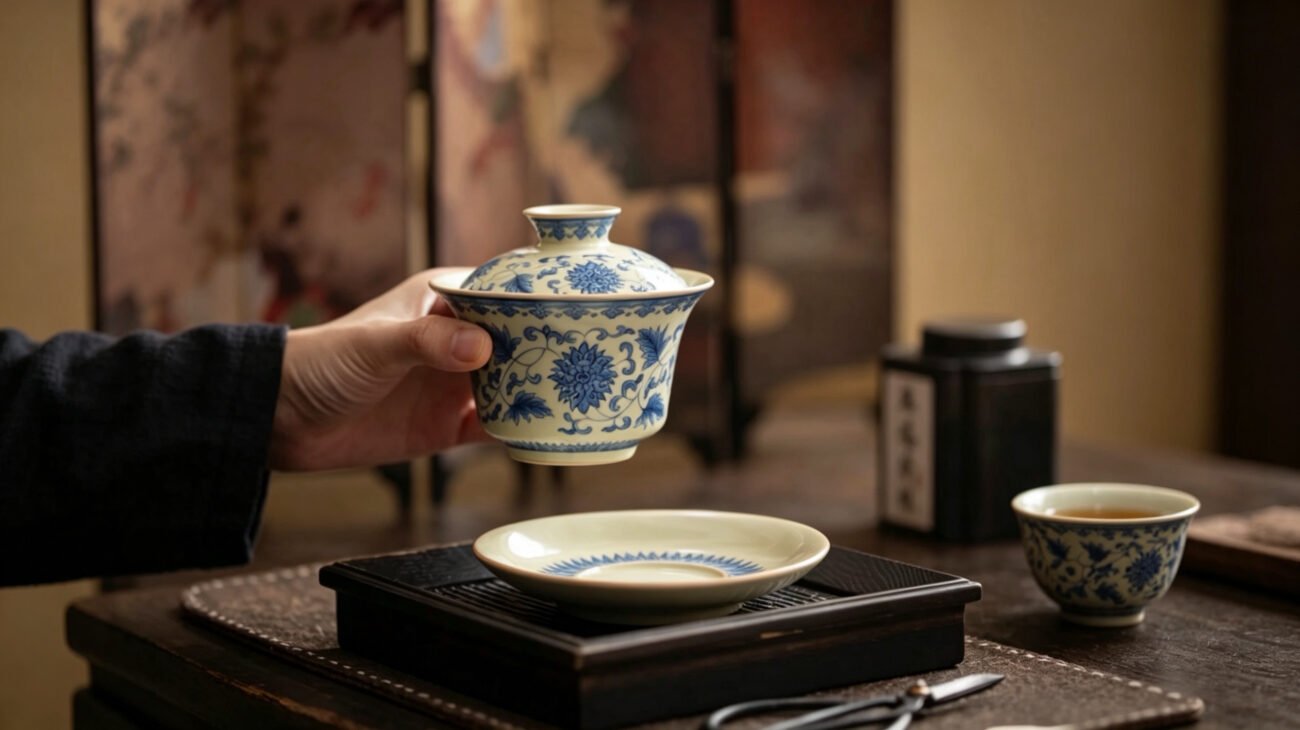
Most people hold the bowl near the rim using the thumb and either the middle finger or index finger. The lid is then placed slightly at an angle, creating a narrow opening for the tea to pour through while keeping the leaves inside.
The most important thing is not to grip it too tightly. A light, steady grip usually works much better than a tense one. When beginners squeeze too hard, the motion tends to feel awkward and less controlled.
If your Gaiwan has a saucer, you can choose to keep it attached while pouring or remove it if that feels easier. Some tea drinkers like the extra support of the saucer, while others prefer holding only the bowl. Both methods are perfectly fine.
How to Pour from a Gaiwan Smoothly
Once your grip feels stable, pouring becomes much more comfortable.
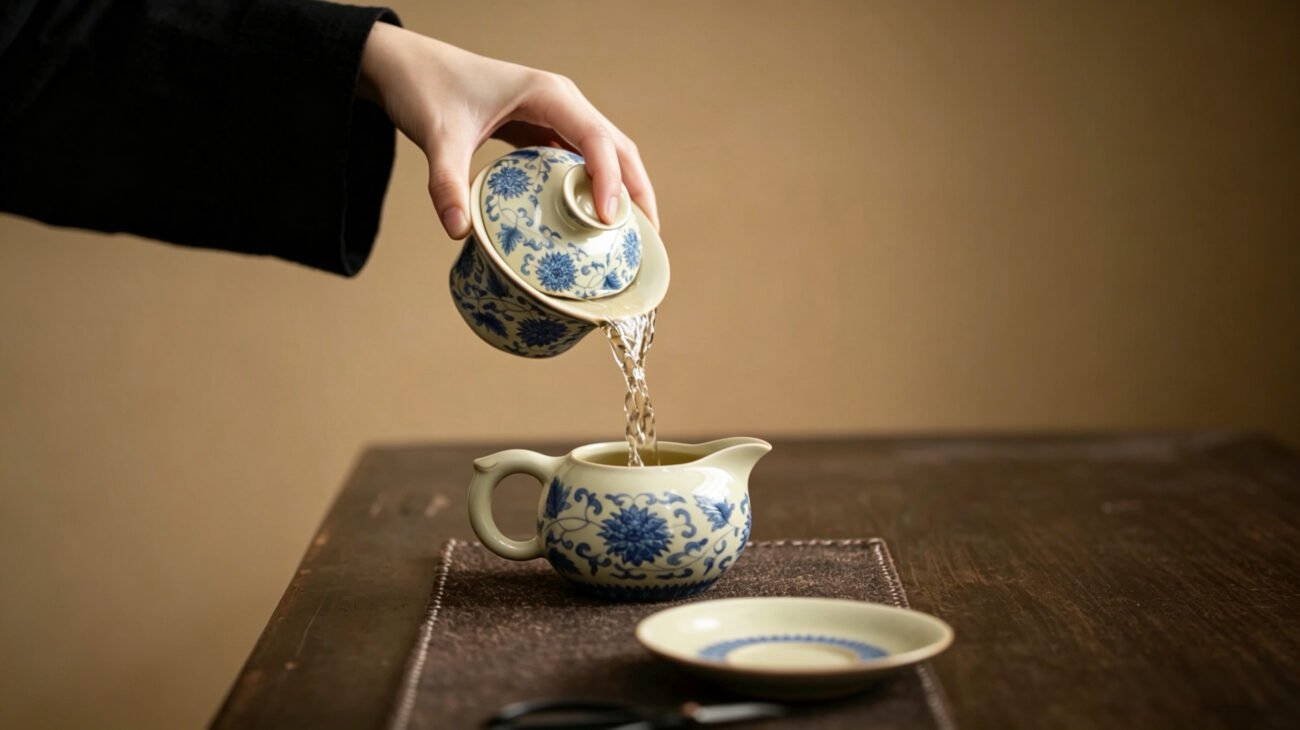
Tilt the lid slightly so the opening is just wide enough for the tea to flow out while the leaves stay inside. Then pour in one smooth, controlled motion. You do not need to rush, but it is also better not to hesitate too much. A slow, uncertain pour can make the Gaiwan feel less steady.
If you are still getting used to it, practice with warm water before brewing real tea. That helps you focus on the hand movement without worrying about wasting tea leaves or spilling hot liquid.
Why Your Gaiwan May Feel Too Hot
If your Gaiwan feels too hot to handle, there is usually a simple reason.
In many cases, it happens because the bowl is overfilled. Too much water brings the heat too close to the rim, leaving very little cool space to hold. Another common issue is letting hot water spill onto the outer edge while pouring.
Sometimes the problem is also related to tension. If you are holding the lid too tightly or pouring too carefully, the whole process can feel more stressful than it needs to be. A lighter grip and a more natural motion often solve the problem.
Common Beginner Mistakes
Most beginner difficulties with a Gaiwan come down to a few simple habits.
Overfilling is probably the biggest one. Starting with a Gaiwan that is too large can also make it harder to handle, especially for smaller hands. Another common mistake is pouring too slowly, which can make the motion feel shaky instead of smooth.
The good news is that none of these issues are hard to fix. Small adjustments usually make the biggest difference.
Best Beginner Tips for Using a Gaiwan
If you are new to using a Gaiwan, starting simple is the best approach.
Choose a porcelain Gaiwan in a comfortable size, ideally around 90 to 130 ml. This size is usually easier for beginners to manage, and porcelain is smooth, easy to clean, and neutral in flavor.
It also helps to practice with teas that are forgiving, such as oolong or white tea. Before your first real tea session, try a few practice pours with warm water. That will help you get comfortable with the grip and movement.
Most importantly, do not expect it to feel perfect right away. A Gaiwan becomes more intuitive almost every time you use it.
Why So Many Tea Lovers Prefer a Gaiwan
Once you get used to it, a Gaiwan often becomes one of the most enjoyable ways to brew tea.
It gives you more control over each infusion, lets you watch the leaves open up, and helps you appreciate the aroma and rhythm of the tea session. That is why many tea drinkers continue using a Gaiwan even after trying teapots and other brewing methods.
It offers a sense of ritual without making the process complicated. For many people, that balance is exactly what makes it so appealing.
Final Thoughts
Learning how to use a Gaiwan without burning your fingers comes down to a few simple habits: do not overfill it, keep a light grip, angle the lid properly, and pour with confidence.
Once those basics click, a Gaiwan can become one of the most satisfying and beginner-friendly tools in your tea routine. It may seem unfamiliar at first, but with a little practice, it feels comfortable, natural, and rewarding.
FAQ
1. How do you hold a Gaiwan correctly?
Most people hold the Gaiwan near the rim with two fingers and keep the lid slightly tilted while pouring. The grip should feel light and stable rather than tight.
2. Why does my Gaiwan feel too hot?
A Gaiwan usually feels too hot when it is overfilled or when hot water reaches the rim. Leaving more space at the top can make it much easier to handle.
3. Is a porcelain Gaiwan good for beginners?
Yes. A porcelain Gaiwan is a great beginner choice because it is smooth, easy to clean, neutral in flavor, and comfortable to practice with.