

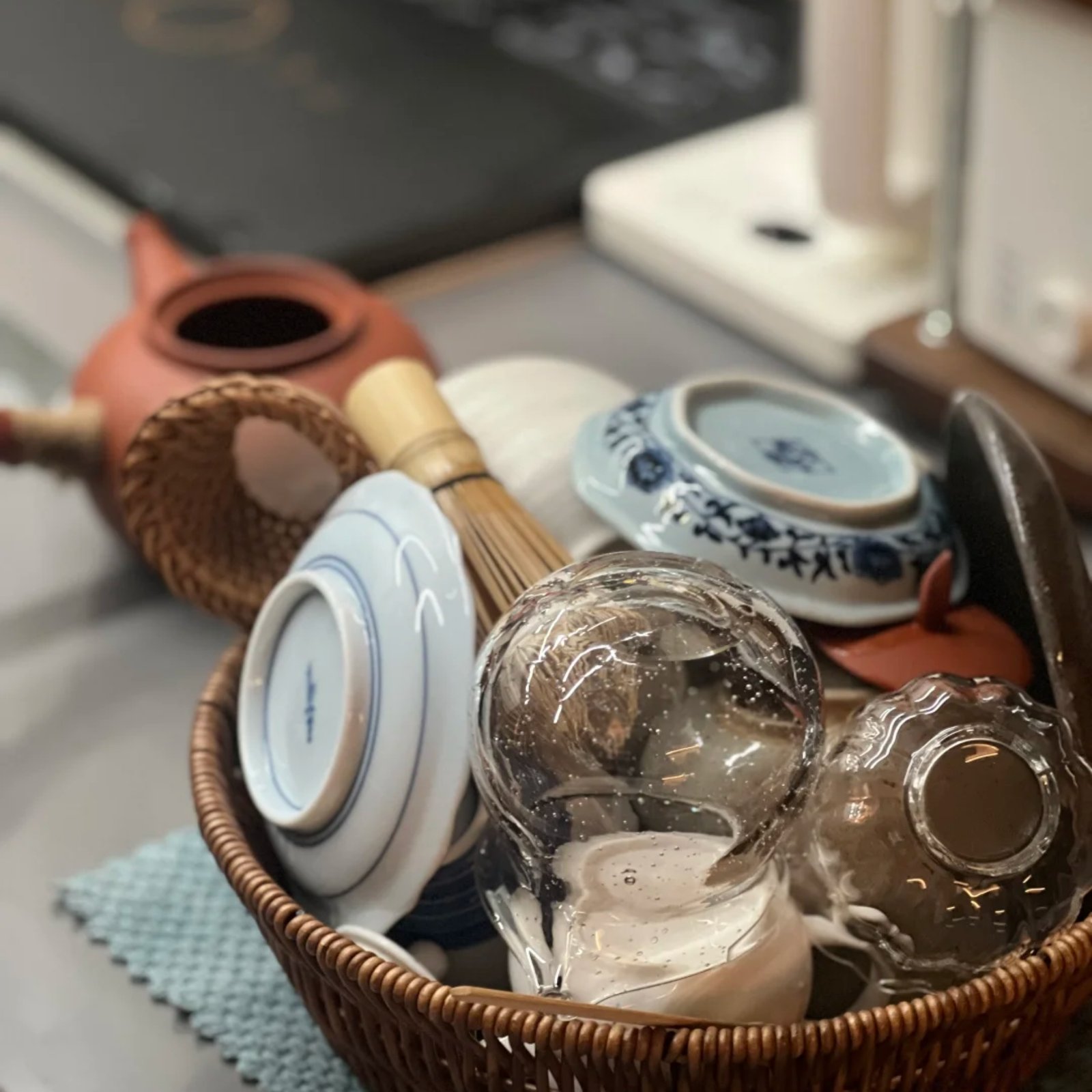
A beautiful porcelain tea set can last for years and still look elegant, but only if it is cared for properly. The good news is that cleaning it does not need to be complicated. In most cases, the best routine is simple, gentle, and consistent.
If you enjoy using porcelain tea cups, a gaiwan, or a full tea set for daily tea sessions, learning how to clean and care for them the right way can make a real difference. A well-maintained tea set not only looks better, but also makes each tea session feel more pleasant and refined.
Why a Porcelain Tea Set Needs Gentle Care
Porcelain is valued for its smooth surface, bright glaze, and elegant appearance. It is durable enough for everyday use, but that does not mean it should be handled roughly.
One common mistake is assuming that porcelain is strong enough to tolerate harsh cleaning. In reality, gentle care is usually the best way to keep the finish looking clean and polished over time. This is especially important for white or light-colored teaware, since tea stains tend to show more clearly on lighter surfaces.
Daily Cleaning Basics
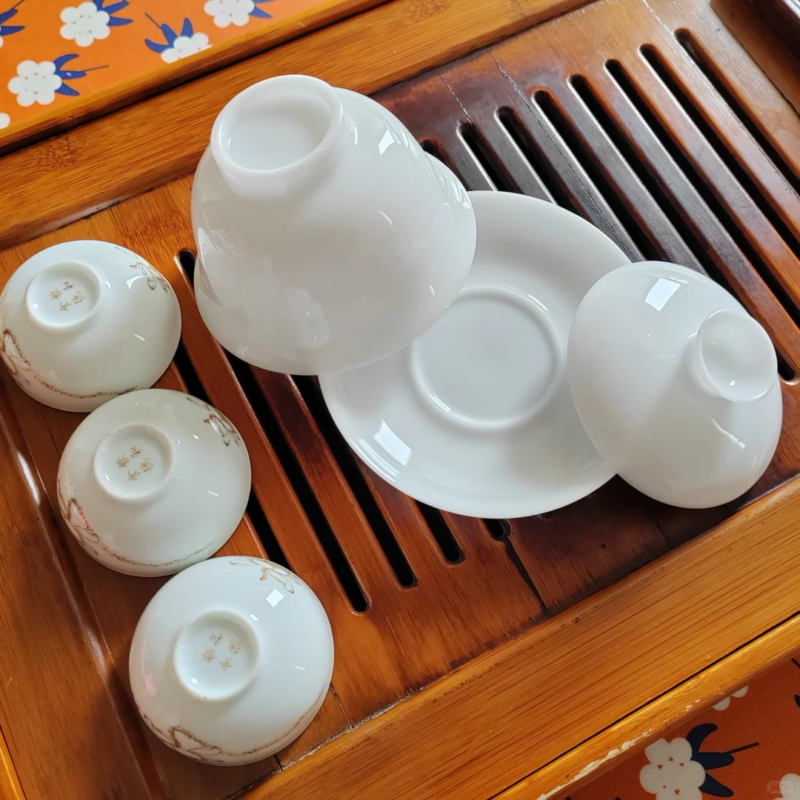
The easiest way to keep a porcelain tea set clean is to rinse it soon after use.
After a tea session, pour out any remaining tea and rinse the tea cups, gaiwan, or teapot with warm water. This helps prevent tea residue from drying onto the surface and becoming harder to remove later.
For daily care, warm water and a soft cloth or non-abrasive sponge are usually all you need. If the tea set was only lightly used and cleaned right away, water alone may be enough.
After rinsing, allow each piece to dry completely before putting it away. This is especially important if you store your teaware in a cabinet or any enclosed space.
How to Remove Tea Stains from Porcelain
Over time, even a well-cared-for porcelain tea set can develop light tea stains, especially if you regularly drink black tea, pu-erh, or other richly colored teas.
If you notice marks inside a tea cup or gaiwan, start with the gentlest cleaning method first. Warm water and a soft sponge may remove more than you expect.
If the stain remains, try using a small amount of baking soda mixed with water to create a light paste. Apply it gently with a soft cloth or sponge and rub carefully. There is no need to scrub aggressively. Usually, a gentle approach works better than force.
Once the stain is removed, rinse thoroughly with clean water and let the piece air dry or dry it with a soft towel.
Can You Use Dish Soap on a Porcelain Tea Set?
Yes, you can use a mild dish soap when needed.
If your porcelain tea set has stronger residue, oils, or noticeable stains, a gentle dish soap is perfectly fine. The most important thing is to rinse thoroughly so no fragrance or soap residue remains on the porcelain.
That said, some tea drinkers prefer using only warm water for daily cleaning, especially if the tea ware is cleaned immediately after each session. Both methods can work well. The key is to avoid harsh cleaners or strongly scented products that may linger on the surface.
What to Avoid When Cleaning Porcelain Tea Ware
Sometimes good care is more about what not to do.
Avoid rough scrubbers, abrasive powders, or any cleaning tool that may scratch the glaze. Even if the piece still functions perfectly, scratches can dull the finish and affect its overall appearance.
It is also best to avoid sudden temperature changes. Do not rinse a very hot tea cup with very cold water right away. Let it cool slightly first. Sharp temperature shifts can put stress on delicate tea ware.
You should also avoid stacking pieces carelessly or letting lids knock against bowls during washing. Small chips often happen during handling, not during actual tea use.
How to Store a Porcelain Tea Set Properly
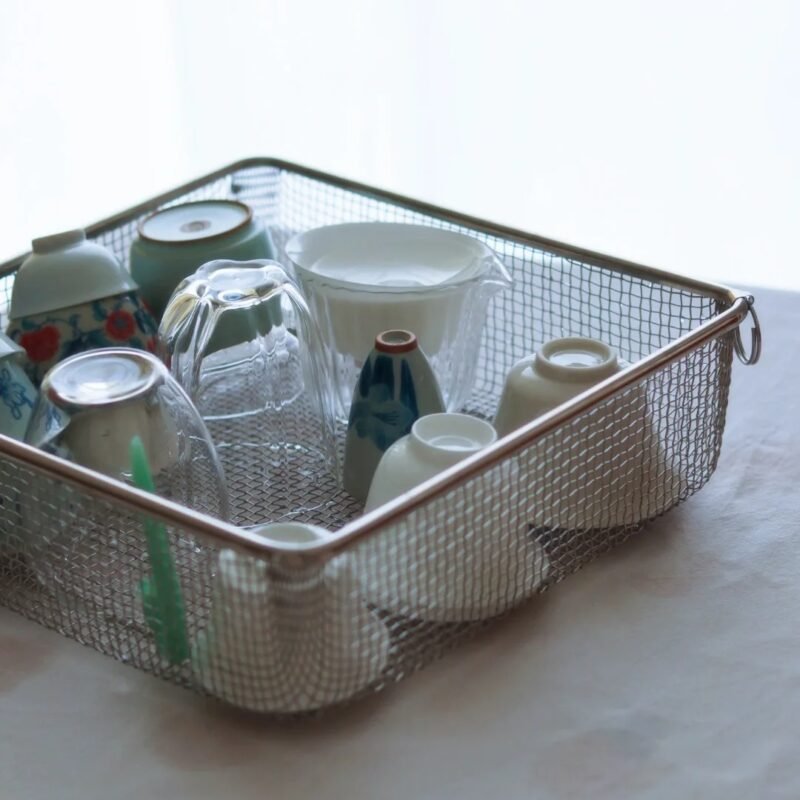
Proper storage also plays an important role in keeping your porcelain tea set in good condition.
Before putting your tea ware away, make sure each piece is fully dry. Any lingering moisture can lead to water marks or musty smells in enclosed storage spaces.
If you need to stack pieces, do so carefully. For delicate or handmade items, placing a soft cloth between pieces can help prevent scratches and small chips. This is especially useful if your tea set is thinner, more refined, or especially meaningful to you.
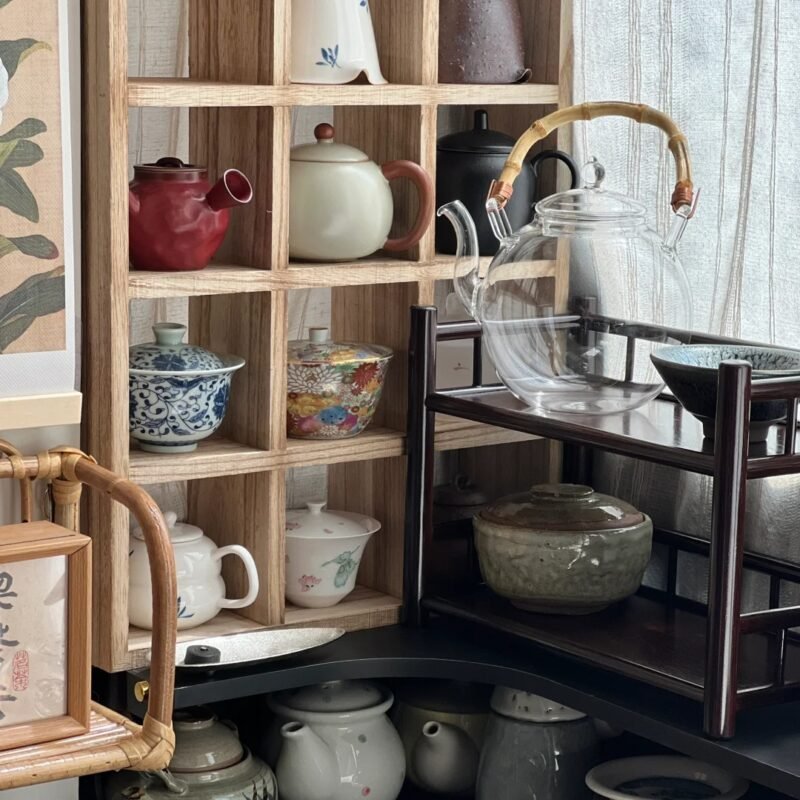
A clean, dry, dust-free cabinet is usually the best place to store porcelain tea ware between uses.
A Simple Care Routine That Works
If you want an easy maintenance routine, keep it simple:
Rinse after each use.
Use warm water and a soft sponge.
Treat stains gently before they build up.
Dry each piece completely.
Store everything carefully.
That is usually enough to keep your porcelain tea set looking beautiful and ready for daily use.
Final Thoughts
Learning how to care for a porcelain tea set is not about using complicated products or following strict rules. It is really about consistency, gentleness, and paying attention to small details.
Porcelain tea ware brings elegance and calm to a tea session. With simple care, it can stay beautiful for years and continue to make everyday tea feel more special.
FAQ
1. How do you clean a porcelain tea set after daily use?
The best way to clean a porcelain tea set is to rinse it with warm water soon after each tea session. Use a soft cloth or non-abrasive sponge, and make sure every piece is fully dry before storing it.
2. How do you remove tea stains from a porcelain tea set?
Light tea stains can often be removed with warm water and a soft sponge. If needed, use a gentle paste made from baking soda and water, then wipe carefully and rinse thoroughly. Avoid scrubbing too hard.
3. Can you use dish soap on a porcelain tea set?
Yes, a mild dish soap is safe to use when needed, especially for stronger residue or stains. Just make sure to rinse the porcelain tea set thoroughly so no soap residue or fragrance is left behind.